

Wisdom teeth are the last set of permanent teeth to develop and typically begin emerging during the late teens or early twenties. For some people, wisdom teeth grow in normally and never cause significant problems. For others, there simply isn't enough room for these third molars to erupt properly, which can lead to pain, crowding, infection, or damage to nearby teeth.
When wisdom teeth are causing problems (or are likely to create problems in the future), extraction may be recommended. At Contemporary Dental Arts in Tulsa, OK, our dentists have extensive experience performing wisdom tooth extractions, including complex extractions for impacted wisdom teeth that many general dental practices refer to a specialist.
If you're nervous about having your wisdom teeth removed, knowing what to expect can make the experience feel much more manageable. Here's what you should know about the wisdom tooth extraction process, from your initial consultation through recovery and follow-up.
What to Expect Before, During, and After Wisdom Tooth Extraction
Not everyone needs to have their wisdom teeth removed. Your dentist will evaluate the position and condition of your third molars and consider factors such as your age, oral health, available space, and whether the teeth are causing or likely to cause problems.
Some common reasons for wisdom tooth extraction include:
Impacted Wisdom Teeth
A wisdom tooth is impacted when it does not have enough room to erupt normally and becomes trapped beneath the gums, jawbone, or another tooth. Impacted wisdom teeth can cause pain and inflammation and may contribute to damage to neighboring teeth or other complications.
Pain or Discomfort
Wisdom teeth can cause pressure, tenderness, or recurring pain as they attempt to emerge. If a wisdom tooth is repeatedly causing discomfort, extraction may be recommended to address the underlying problem.
Difficulty Cleaning
Because wisdom teeth are located at the very back of the mouth, they can be difficult to brush and floss effectively. This can make them more susceptible to cavities, gum disease, and infection.
Crowding or Damage to Nearby Teeth
When there isn't enough room for a wisdom tooth to erupt properly, it can place pressure on neighboring teeth or contribute to crowding. Removing the problematic tooth may help protect the surrounding teeth and oral structures.
Recurring Infection
Partially erupted wisdom teeth can create areas where food and bacteria become trapped around the gum tissue. This can contribute to inflammation or infection and may make extraction the more appropriate long-term solution.
Before Wisdom Tooth Extraction: Your Consultation
The first step is a consultation with your dentist. At Contemporary Dental Arts, your dental team will evaluate your wisdom teeth and discuss whether extraction is appropriate for your situation.
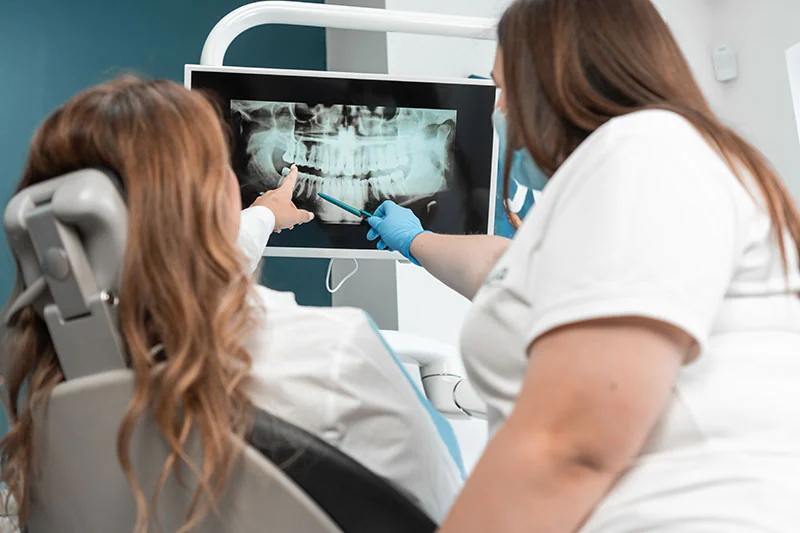
Digital imaging can provide a detailed view of the teeth, roots, surrounding bone, and other structures. This is particularly important when a wisdom tooth is impacted or positioned close to other important anatomical structures. Contemporary Dental Arts uses advanced digital imaging to help plan complex extractions with precision.
During your consultation, your dentist can explain:
- Why extraction is recommended
- Which wisdom teeth need to be removed
- Whether your teeth are impacted
- What the extraction process will involve
- What type of sedation or anesthesia may be appropriate
- What to expect during recovery
- Any potential risks or complications
- What you should do to prepare for your appointment
This is also the time to ask questions. If you're anxious about dental treatment, let your dental team know. Contemporary Dental Arts offers sedation dentistry, including laughing gas and oral conscious sedation, to help patients feel more relaxed during dental procedures.
How Should You Prepare for Wisdom Tooth Removal?
Your dentist will give you specific instructions based on the type of extraction and sedation planned for your appointment. Follow those instructions carefully, especially if you will receive sedation.
Before your appointment, make sure your dental team knows about:
- Medications and supplements you take
- Allergies or previous reactions to medications or anesthesia
- Existing medical conditions
- Any concerns about sedation
- Smoking, vaping, or tobacco use
- Any medications that may affect bleeding or healing
You may also want to arrange transportation home if you will receive a form of sedation that makes it unsafe to drive afterward.
It's also helpful to prepare your home for recovery. Have soft foods and plenty of fluids available, and plan to take it easy for at least the first few days. Depending on the complexity of your extraction and your individual recovery, your dentist may recommend taking additional time away from work, school, exercise, or other activities.
During Wisdom Tooth Extraction: What Happens?
On the day of your procedure, your dental team will review the treatment plan and make sure you're comfortable before beginning.
The exact extraction process depends on the position of your wisdom teeth.
Simple Wisdom Tooth Extraction
If the wisdom tooth has erupted enough to be accessed easily, your dentist may be able to remove it using techniques similar to other tooth extractions.
Surgical Extraction for Impacted Wisdom Teeth
An impacted wisdom tooth may require a more involved surgical extraction. Your dentist may need to access the tooth through the gum tissue and, depending on its position, remove or section portions of the tooth to safely extract it.
Contemporary Dental Arts specifically provides impacted wisdom tooth removal in its Tulsa office. Dr. Matthew Warlick and Dr. Wrany Southard have experience performing complex extractions that many general dentists refer elsewhere, allowing patients to receive this type of care in the same practice.
Your dental team will use appropriate local anesthesia and, when indicated, sedation to help keep you comfortable throughout the procedure.
The length of the appointment can vary depending on how many wisdom teeth are being removed and how difficult their positions are. Your dentist can give you a better idea of what to expect after evaluating your specific teeth.
Immediately After Wisdom Tooth Extraction
Once the extraction is complete, your dental team will provide postoperative instructions to help you protect the extraction sites and support healing.
Some bleeding, swelling, soreness, and jaw tenderness can be normal following wisdom tooth surgery. These symptoms generally improve as the initial healing period progresses.
You may be instructed to use gauze to help control bleeding. Your dentist may also recommend or prescribe medication to manage discomfort.
It's important to follow your personalized postoperative instructions rather than assuming that everyone will have the same recovery plan.
What to Eat After Wisdom Tooth Removal
Your mouth may be tender immediately following surgery, so soft foods are generally easier and more comfortable to eat during the first few days.
Options may include:
- Yogurt
- Applesauce
- Smoothies eaten without a straw
- Mashed potatoes
- Eggs
- Soft pasta
- Broth-based soups
- Other soft or blended foods
As your mouth becomes more comfortable, you can gradually reintroduce more solid foods. Avoid hard, crunchy, chewy, or spicy foods that could irritate the surgical sites.
Staying hydrated is also important. However, avoid drinking through a straw during the early stages of healing because the suction can disturb the blood clot in the extraction socket.
How to Minimize Swelling and Discomfort
Swelling is common after wisdom tooth extraction, particularly when impacted teeth require surgical removal. Applying a cold pack or ice pack to the outside of the cheek intermittently during the first 24 to 72 hours may help reduce swelling.
Your dentist may recommend over-the-counter pain relievers, prescribe medication, or provide other instructions for managing discomfort. Follow the directions provided by your dental team, and let them know if your pain isn't improving as expected.
Rest is also an important part of recovery. Avoid strenuous exercise, heavy lifting, and sports for the period recommended by your dentist.
Caring for Your Mouth After Extraction
Good oral hygiene remains important while your mouth heals, but you'll need to be careful around the extraction sites.
Your dentist may recommend that you:
- Brush your other teeth gently
- Avoid brushing directly over the extraction sites initially
- Avoid vigorous rinsing or spitting during the early healing period
- Use a gentle saltwater rinse when instructed
- Follow any instructions regarding prescribed mouthwash
- Keep food and debris away from the surgical sites as directed
The goal is to keep your mouth clean without disturbing the blood clots that form in the extraction sockets. These clots play an important role in healing.
What Is Dry Socket?
One of the complications patients commonly hear about after wisdom tooth removal is dry socket.
After an extraction, a blood clot normally forms in the empty socket. A dry socket can occur if that clot becomes displaced or breaks down too early, exposing underlying bone and nerves and causing significant pain. It is particularly associated with wisdom tooth extractions.
To reduce your risk:
- Don't use straws during the early recovery period.
- Avoid smoking and vaping.
- Don't rinse or spit forcefully.
- Follow your dentist's instructions for caring for the extraction sites.
- Avoid foods or activities that could disturb the surgical area.
If you develop severe or worsening pain a few days after your extraction, particularly pain that radiates toward your ear, temple, or neck, contact your dental office. These symptoms can be associated with dry socket and should be evaluated.
Wisdom Tooth Extraction Follow-Up
Follow-up care is an important part of the extraction process. Depending on your procedure, your dentist may want to see you again to evaluate the extraction sites and make sure healing is progressing normally.
If sutures were placed, your dentist will let you know whether they need to be removed or are designed to dissolve on their own.
Your follow-up appointment is also an opportunity to discuss any lingering discomfort, questions about oral hygiene, diet, or other concerns you may have. Following your recommended appointments and postoperative instructions helps your dental team identify potential complications and support your recovery.
How Long Does Wisdom Tooth Extraction Recovery Take?
Every patient heals differently. The complexity of the extraction, the number of teeth removed, and individual factors can all influence recovery time.
Pain and swelling are generally most noticeable during the first few days and should gradually improve. The soft tissues continue healing over the following weeks, while the underlying jawbone takes longer to fully recover.
Rather than focusing on a specific number of recovery days, pay attention to the overall trend. Your symptoms should generally improve as you heal. If pain, swelling, or other symptoms become worse instead of better, it's time contact your dental team at Contemporary Dental Arts.
Wisdom Tooth Removal in Tulsa, OK
Having your wisdom teeth removed doesn't have to be an overwhelming experience. Knowing what to expect before, during, and after your procedure can help you feel more prepared and confident about your care.
At Contemporary Dental Arts, Dr. Warlick, Dr. Southard, and the dental team provide wisdom tooth extractions and impacted wisdom tooth removal in their modern Tulsa office. Their experience with complex extractions, advanced digital imaging, and sedation options allows them to provide comprehensive care while focusing on patient comfort throughout the process.
If you're experiencing wisdom tooth pain, pressure, swelling, or recurring problems, or if your dentist has recommended having your third molars evaluated, schedule a consultation with Contemporary Dental Arts in Tulsa, OK. Our team can evaluate your wisdom teeth, explain your options, and help you determine whether extraction is appropriate for your oral health needs.


